
Table of Contents

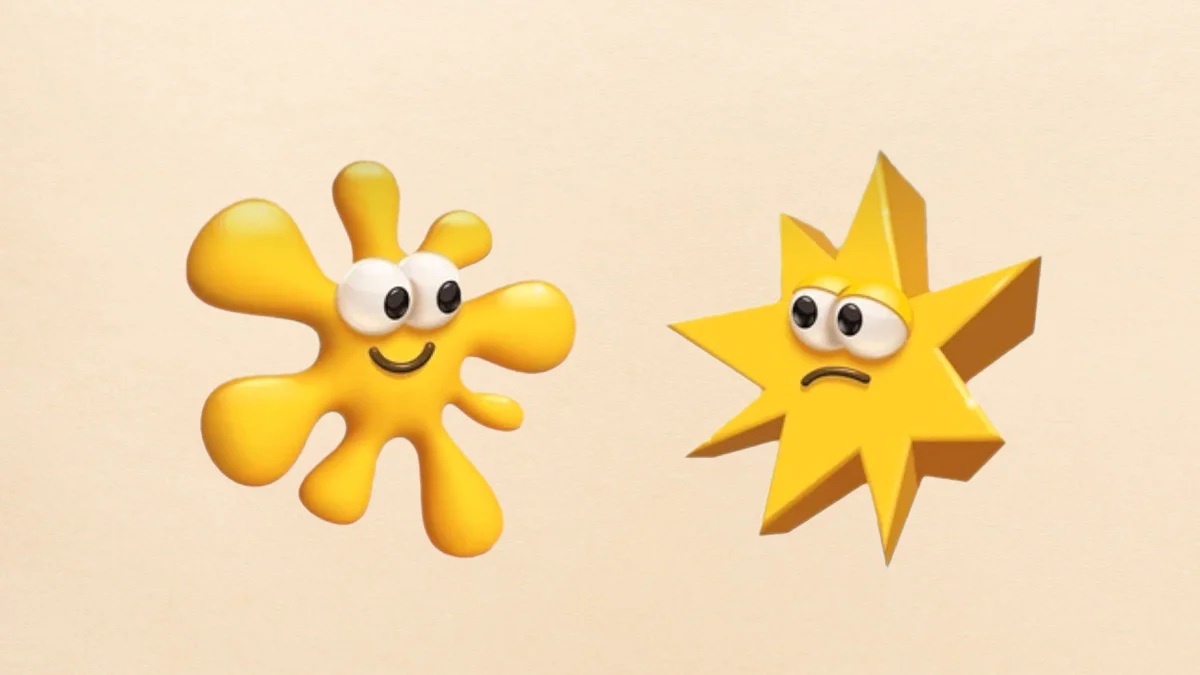
In the image above, who is Bouba? and Who is Kiki?
These aren’t cartoon characters or brand mascots – they’re the key to understanding why some logos stick in your memory while others fade away. This principle of logo shape psychology affects how customers perceive your brand. If you’re like 95% of people worldwide, you instantly matched the rounded shape with “Bouba” and the spiky one with “Kiki.” Understanding these principles is crucial when developing your brand identity, as shapes form the foundation of how customers perceive your business.
This simple test reveals something fascinating about how our brains work. We automatically connect certain sounds with specific shapes, and your customers do exactly the same thing with your logo, within seconds of seeing it.
When I first learned about this psychology, it was eye-opening. Turns out there’s actual science behind why some logos feel “right” and others don’t.
Why Shapes Matter More Than You Think
Something interesting happens when people look at logos: the shape creates an instant emotional response before they even process what your company does.
Think about it – when someone walks past your storefront or scrolls past your website, they’re not carefully analyzing your brand message. They’re getting a gut feeling, and that feeling often comes from the shapes you’ve chosen.
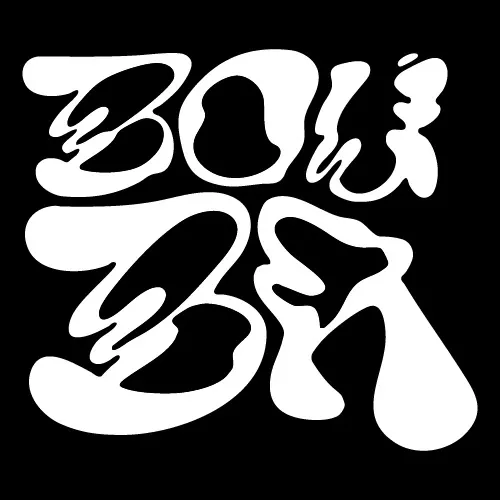
Rounded shapes work magic for:
- Restaurants and cafes (feels welcoming, like a warm hug)
- Childcare centers (parents instantly feel it’s safe and nurturing)
- Spas and wellness businesses (suggests gentle, caring treatment)
- Creative studios (comes across as open-minded and approachable)
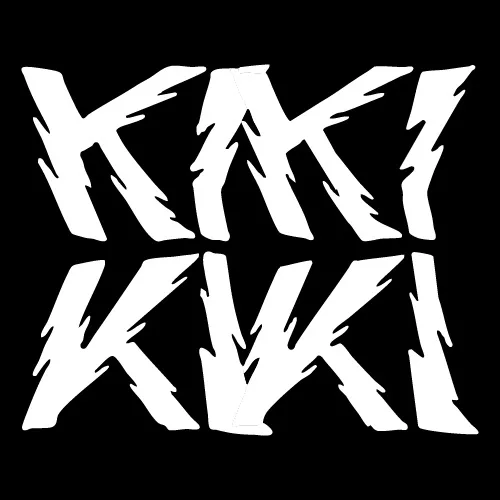
Angular shapes pack a different punch:
- Tech companies (screams precision and innovation)
- Law firms (projects strength and reliability)
- Business consultants (suggests sharp thinking and expertise)
- Security services (feels protective and vigilant)
Understanding Logo Shape Psychology
The bouba/kiki effect is just the beginning. Every shape carries its own psychological weight, and smart designers know how to use this.
Here’s what research shows:
Circles work because they suggest completeness and community. There’s something comforting about a circle – no sharp edges to worry about. Banks love circles because they want to feel trustworthy and inclusive.
Triangles are all about direction and stability. Point a triangle upward, and it suggests growth and ambition. Point it down, and it can feel more grounded and stable. Either way, triangles say “we know where we’re going.”
Squares are the dependable choice. They’re structured, reliable, professional. When you see a square-based logo, your brain thinks “these people have their act together.”
But cultural context matters too. What works in one area might not resonate the same way elsewhere. Younger, urban audiences often prefer clean, minimalist geometric shapes, while more traditional markets tend to respond better to softer designs.
The multicultural nature of our region adds another layer. A shape that feels modern and progressive to one demographic might seem cold or unfamiliar to another. This is why understanding your specific audience matters before making design decisions.
Applying Shape Psychology to Your Logo
So how can you apply this information? Here’s a practical approach:
Start with feelings, not visuals. Instead of thinking about what you want your logo to look like, consider how you want your customers to feel. Confident? Comfortable? Inspired? Secure? The shapes can follow from there.
Look at your current logo objectively. Does it match the personality you want to project? Sometimes a mismatch is obvious – like a cybersecurity firm with soft, playful shapes, or a children’s brand with harsh, angular designs.
Consider your audience’s expectations. A funeral home probably shouldn’t use playful, bouncy shapes, just like a children’s party planner shouldn’t go with harsh, angular designs. Sometimes the obvious choice is obvious for good reason.
Test it in different contexts. Consider how your logo looks on a business card versus a billboard, on your website versus embroidered on a shirt. Shapes that work at one size might not translate everywhere.
Effective logos aren’t just aesthetically pleasing – they’re psychologically strategic. They use shape psychology to create the right emotional response for the business. Working with experienced creative professionals can help you navigate these psychological principles effectively.
Understanding the Impact
Your logo isn’t just decoration – it’s communication. And shape is often the first and strongest part of that communication. A well-crafted brand identity leverages shape psychology to communicate your values instantly and effectively.
When the shapes align with your brand personality, everything becomes easier. Your marketing feels more cohesive. Your brand message comes through clearly. People remember you, even if they can’t explain exactly why.
The bouba/kiki effect shows us that these responses are built into human psychology. They happen automatically, universally, and almost instantly. As a business owner, you can either work with this psychology or ignore it.
The smart approach? Work with it. Use shapes that support your brand story rather than fight against it. Because the most memorable logos aren’t just the prettiest ones – they’re the ones that connect with us on a deeper level.